
How Long Will Your Home Stay Warm During a Power Outage? The Science of Backup Power in Ontario Winters


When winter storms roll across Simcoe County, power outages aren’t just inconvenient—they can become a real safety concern. Without electricity, furnaces, heat pumps, and even gas-fired systems that rely on electric igniters stop working. The question most homeowners ask is: how long will my home stay warm if the power goes out?
The answer depends on several factors: the type of heating system you have, how well your home is insulated, and how cold it is outside. Let’s break it down and explore how a reliable backup generator can make all the difference when temperatures drop below freezing.
Understanding How Fast Your Home Loses Heat
When the power fails, your furnace or boiler stops circulating warm air. The remaining heat in your home begins to escape through walls, windows, and the roof. This rate of heat loss is influenced by:
Outdoor temperature: A -15°C night in Oro-Medonte or Innisfil will draw heat out much faster than a mild evening.
Insulation and air sealing: Homes with upgraded insulation, weatherstripping, and modern windows retain heat longer.
Size and layout: Larger, open-concept homes lose heat more evenly but often faster than smaller, compartmentalized ones.
Basement and attic conditions: Uninsulated basements and attics act as major escape routes for heat.
In most Ontario homes, indoor temperatures can drop 1 to 2°C per hour when the heat is off, depending on conditions. That means a comfortable 21°C home could fall to 14°C in just three to four hours—and below 10°C overnight.
The Risks of Extended Outages
When the temperature in your home falls too low, several issues can arise:
Frozen pipes: Water lines can begin freezing within 6 to 12 hours if temperatures drop near 0°C indoors.
Condensation and moisture issues: Rapid temperature changes can cause condensation on walls and windows, leading to potential mold growth.
Health risks: Prolonged exposure to cold indoor temperatures increases the risk of hypothermia, particularly for seniors or young children.
These risks make it clear that temporary solutions like blankets and candles are not enough during severe winter storms.
How a Backup Generator Keeps the Heat On
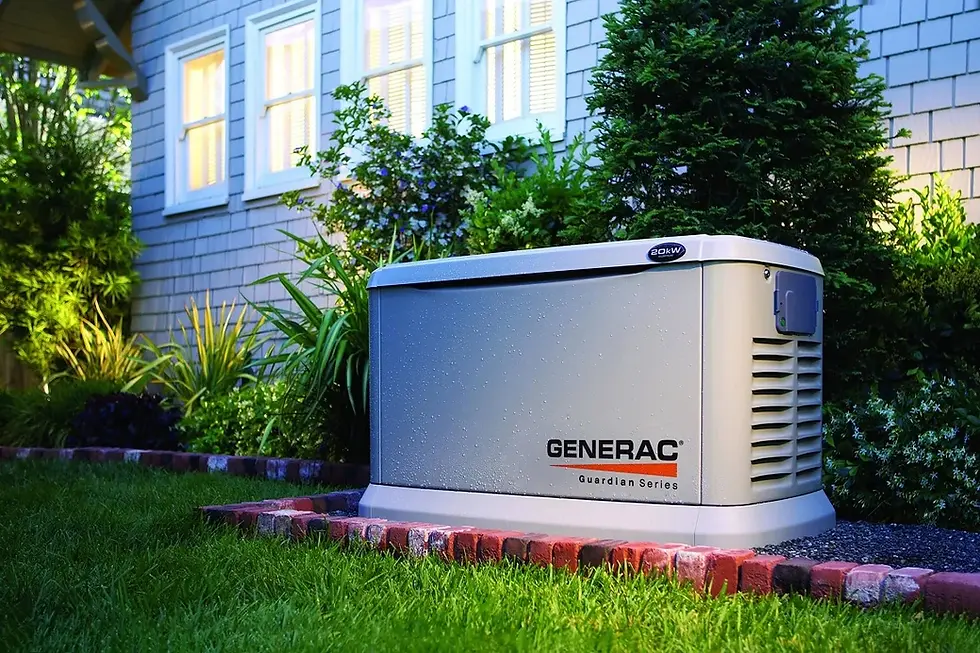
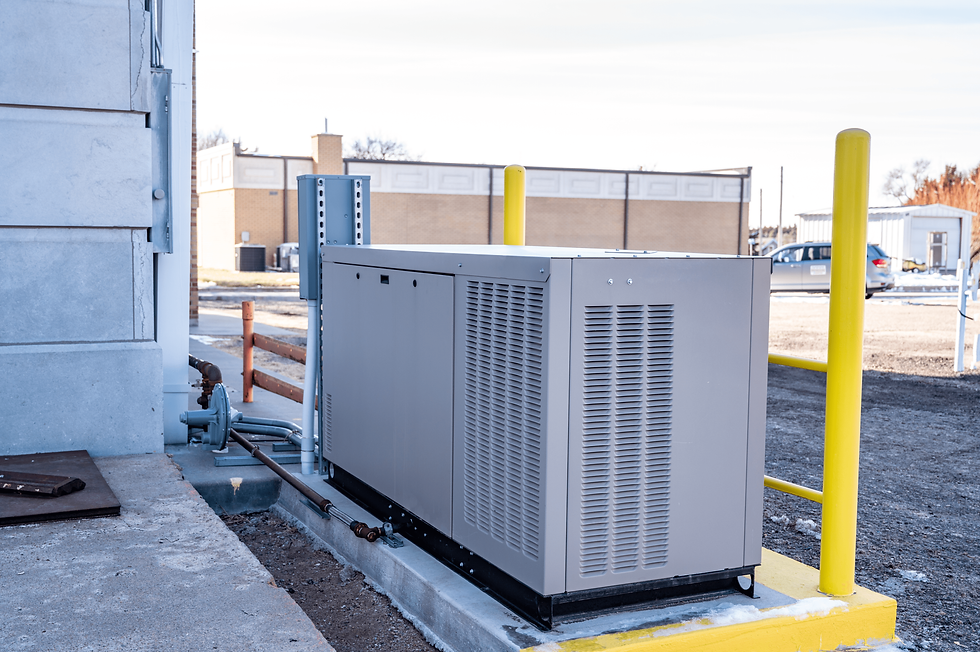
A standby generator automatically starts when the power goes out, keeping your furnace, boiler, or heat pump running without interruption. It connects directly to your home’s electrical system and can be fueled by natural gas, propane, or diesel—fuels that remain available even when the electrical grid fails.
A properly sized generator can power:
Your home’s heating system and blower fan
Sump pumps to prevent flooding from melting snow
Refrigeration, lighting, and basic outlets
Wi-Fi routers and communication devices
In most cases, even a mid-sized home in Simcoe County can stay fully operational with a 10–14 kW standby generator.
How Long Will It Run?
Unlike portable units, standby generators can operate for days at a time as long as they have a continuous fuel supply. Natural gas models can run indefinitely, while propane or diesel systems will last as long as there’s fuel in the tank.
That means your home won’t just “stay warm a little longer”—it can stay fully heated and functional until power is restored.
Energy Efficiency and Cold-Weather Performance
It’s important to note that heating systems work harder during outages because the home may have already started cooling down. This initial recovery period requires more energy, but once indoor temperatures stabilize, generators can run at moderate load levels efficiently.
Modern standby systems are designed for cold-weather reliability, featuring automatic warm-up cycles and oil heaters to ensure smooth starts even during deep freezes.
Preparing Before the Storm
Before winter weather hits Simcoe County, take a few steps to prepare your home and generator system:
Schedule a pre-winter generator inspection. Check oil levels, battery health, and test the transfer switch.
Seal drafts and improve insulation. Reducing heat loss means your generator won’t have to work as hard.
Know your fuel levels. Ensure propane or diesel tanks are filled and accessible.
Review your emergency power plan. Identify which circuits and appliances are backed up.
These proactive steps ensure you’re not scrambling when the lights go out.
The Bottom Line
During a winter power outage, most Ontario homes start losing heat within a few short hours. Without backup power, your comfort—and in some cases, your home’s plumbing and safety—can be at risk.
Installing a standby generator gives you peace of mind that your heating system will continue running no matter how severe the storm.
If you’re in Simcoe County, from Barrie to Midland to Orillia, and want to learn which backup power solution is right for your home, Sparks Generators can help. Our team specializes in cold-weather generator installations, maintenance, and custom setups that keep local homes powered through the harshest Ontario winters.
Contact Sparks Generators today for a free consultation before the next storm hits.
Enjoyed this blog? Read this blog to find out more about how to prepare your generator for this upcoming winter.
Comments