
DIY Generator Maintenance: What You Can (and Can’t) Do Yourself

Updated: Oct 9, 2025

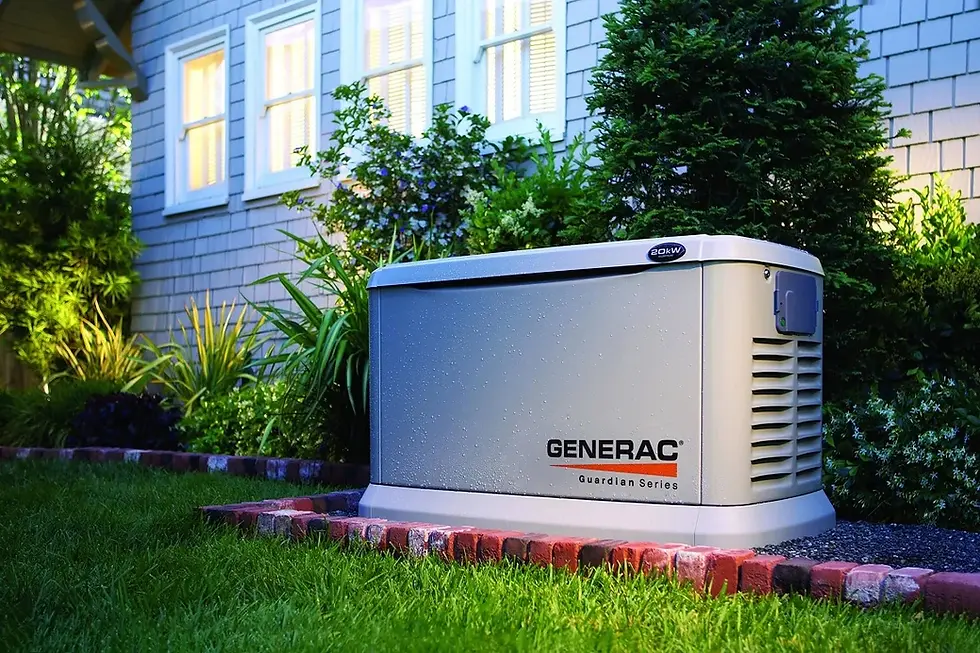
A backup generator is a powerful investment to keep your home running smoothly during power outages. But like any mechanical equipment, generators need regular maintenance to stay reliable and efficient. At Sparks Generators, we often get asked: “What maintenance can I safely do myself, and when should I call in a professional?”
In this blog, we’ll guide you through simple DIY maintenance tasks you can handle and explain which jobs require expert attention.
What You Can Do Yourself: Basic DIY Generator Maintenance
1. Regular Visual Inspections
Perform quick checks every few weeks to spot any obvious problems:
Look for leaks (fuel, oil, or coolant).
Check for dirt, debris, or corrosion around the unit.
Make sure vents and air intakes are clear and unobstructed.
2. Running Your Generator Regularly
To keep your generator in good working order, run it under load at least once a month. This prevents fuel from stagnating and keeps the engine lubricated. Many Generac standby generators have an automatic exercise mode, but if you have a portable generator, schedule a manual test run.
3. Changing the Air Filter
A clean air filter helps the engine breathe and run efficiently. Check your owner’s manual for filter replacement intervals — typically every 100 hours of use or annually. Replacing the air filter is a straightforward task that usually only requires a screwdriver.
4. Checking Oil Levels and Adding Oil
Many generators have a dipstick for easy oil level checks. Adding oil is simple, but make sure to use the type recommended in your manual. Check the oil before every use, especially before extended runs.
5. Cleaning the Exterior
Wipe down the generator’s exterior to remove dust, dirt, and debris. Keeping the unit clean helps prevent overheating and corrosion.
What You Should Leave to the Professionals
1. Oil and Filter Changes
While adding oil is easy, changing the oil and oil filter requires draining the used oil safely and disposing of it properly. Professionals have the tools and training to handle this mess quickly and responsibly.
2. Fuel System Maintenance
Fuel lines, carburetors, and tanks need specialized knowledge to clean and maintain. Improper handling can lead to leaks, clogs, or fire hazards.
3. Battery Inspection and Replacement
Batteries in standby generators power the automatic start system. Professionals can test, charge, or replace batteries safely without risking damage to the electrical system.
4. Electrical System Checks
Transfer switches, wiring, and control panels require certified electricians. Attempting repairs yourself can void warranties, cause safety risks, or damage your home’s electrical system.
5. Comprehensive Annual Tune-Ups
Manufacturers like Generac recommend professional annual maintenance to keep your generator warranty valid and performance optimal. This service includes multi-point inspections, load testing, software updates, and more.
Why Professional Maintenance Matters
Generators operate with fuel, high voltage, and complex electronics — safety is critical. Professional technicians ensure your generator is tuned for peak performance and compliance with local codes. Plus, regular professional service extends the life of your investment and keeps your warranty intact.
Need Help Maintaining Your Generator?
At Sparks Generators, we offer expert maintenance and repair services for all Generac generators. Whether you want a professional tune-up or emergency repairs, our certified technicians have you covered.
Contact us today to schedule your generator service or learn more about keeping your backup power system ready when you need it most!
Interested in the installation of a generator, or looking for more generator maintenance tips? Read this blog to find out why Sparks Generators in the right choice for all of your generator needs.
Comments